
The Approval List: What It Takes to Be Cleared Onto a FIFA Crew
The least visible part of working a FIFA World Cup happens months before the tournament: getting approved to be there at all.
Before PUP Creative founder Pat Ulloa filmed a frame with the Colombian national team at the 2026 World Cup, the role required working through a formal approval process — including detailed kit lists that had to be prepared, submitted, and cleared before the crew was confirmed. Equipment, spec, and setup all needed sign-off against FIFA's requirements. Nothing about the crew's presence was casual, and nothing was assumed.
That process is worth understanding, because it explains something buyers of production services rarely see: at the top of sport, quality control starts before the camera does.

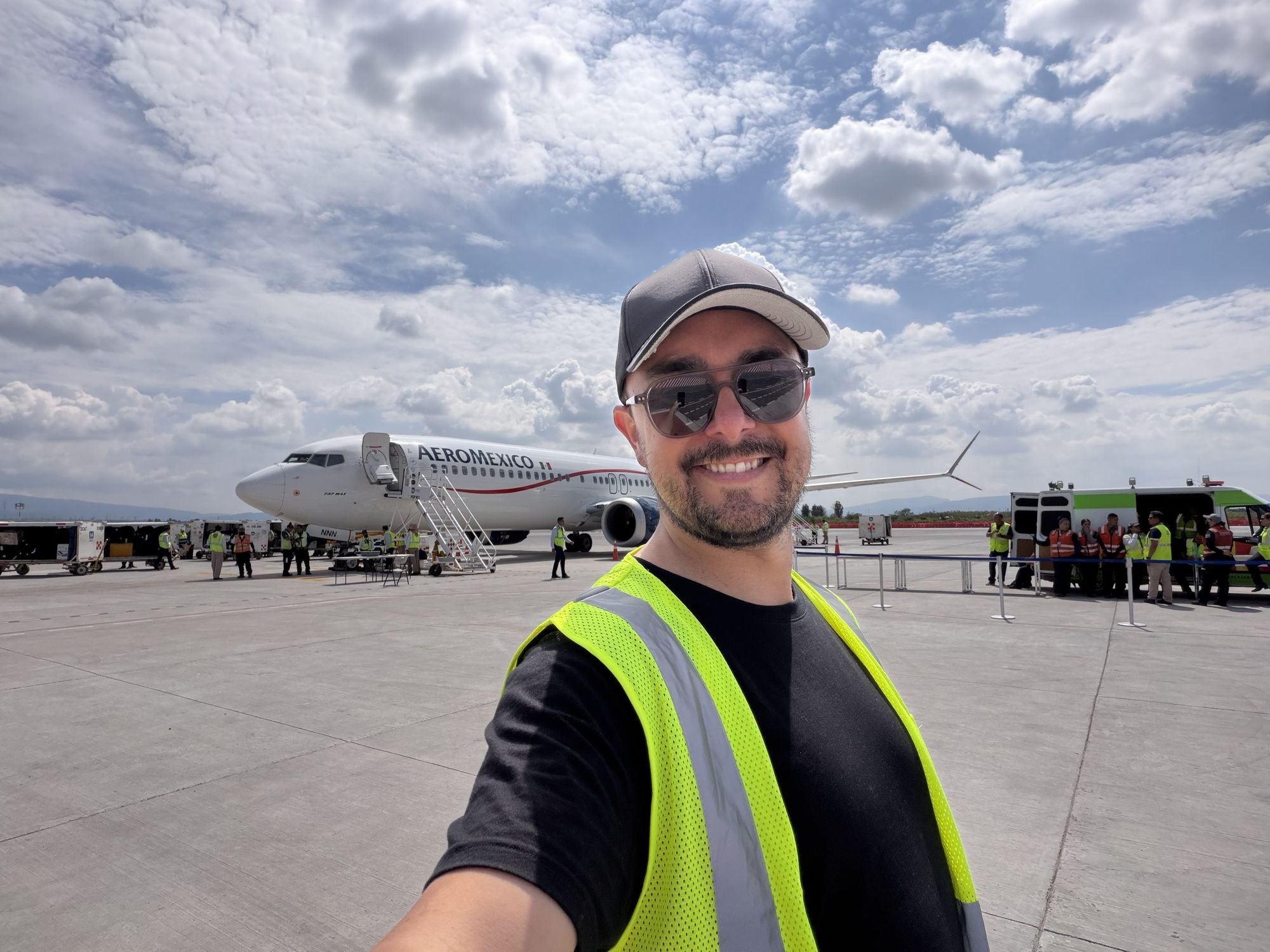
Why the Vetting Exists
A World Cup broadcast operation cannot absorb weak links. Footage from an embedded crew feeds FIFA channels, broadcasters, and media partners worldwide; a crew whose equipment, competence, or conduct fails mid-tournament cannot be quietly replaced without cost. So the system front-loads scrutiny — kit approvals, standards compliance, and the underlying question behind all of it: can these people be trusted at this level, in these rooms, with this access?
Clearing that bar is itself a credential. It means the equipment met specification, the operator met the standard, and the organisation behind the tournament was satisfied before a single day's work began. This is the quiet infrastructure behind major event production — invisible in the output, decisive in who gets to produce it.
Preparation as a Professional Discipline
The approval process also enforces a habit that separates serious operators: total preparation. Building a kit list for five weeks across five cities and three countries means anticipating every scenario in advance — the premium interview setup, the matchday long lens, the redundancy for failure, the practicality of moving it all through airports and stadium security repeatedly.
Get it wrong and there is no popping out for a replacement mid-tournament. The kit that was approved is the kit that must deliver. That discipline — think through everything, then commit — is the same one that makes fast-turnaround delivery possible at any event: preparation absorbs the pressure so execution doesn't have to.
Knowing the Squad Before Meeting the Squad
Clearance is also editorial. Walking into a national team camp usefully requires arriving already fluent — in the squad, the schedule, the matches, the stakes. Research done before departure paid off daily: knowing whose story mattered each week, which fixtures carried weight, and what each session meant in context.
A crew that arrives informed earns different treatment from one that arrives merely equipped. Players and staff notice who understands their world. That understanding is what earns the cooperation behind every worthwhile athlete feature.
The Question This Answers for Clients
Organisations evaluating production partners often ask about gear and showreels. The sharper question is: who has vetted this operator, and at what level?
Approval onto a FIFA crew at a World Cup is one of the more demanding answers available in sports production. It certifies equipment, standards, preparation, and trustworthiness — audited by the most demanding rights holder in world sport. For brands, federations, and event organisers, that vetting transfers: the standard your project inherits was set somewhere much harder to reach.