
Capturing What Broadcast Doesn't: The Second-Camera Philosophy for Sponsors
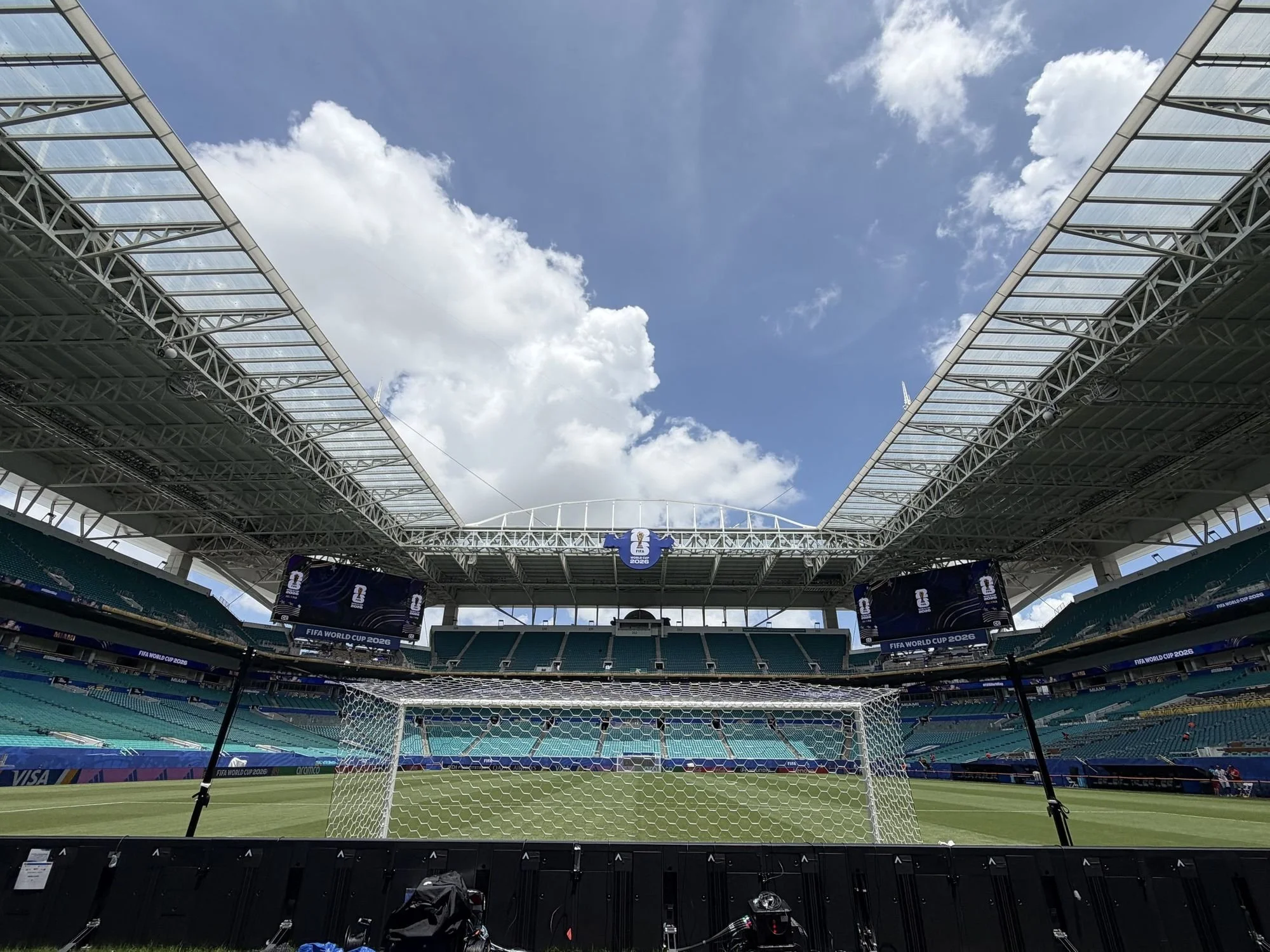
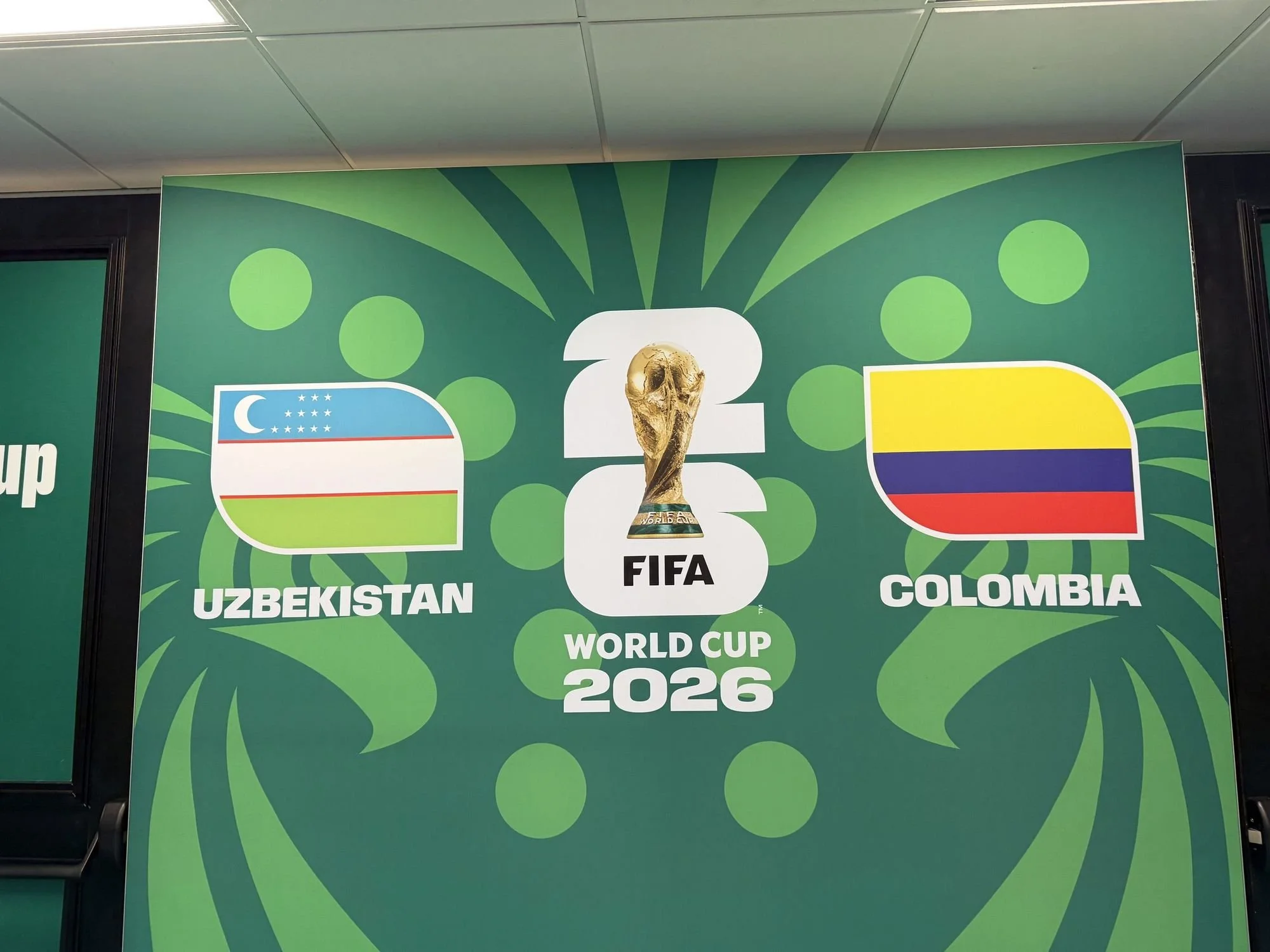
At the 2026 FIFA World Cup, embedded with the Colombian national team as their FIFA crew cameraman, PUP Creative founder Pat Ulloa worked to a brief that sounds almost too simple: capture what the broadcast cameras don't.
Dozens of cameras already follow the ball at a World Cup. Another angle of the goal adds nothing. The embedded camera exists to find everything else — the face before the corner, the bench, the training-ground moment that lets an editor build a feature with depth. Its value is defined by what it doesn't duplicate.
Sponsors should hear that brief as their own, because most sponsorship content fails for exactly the reason a redundant match camera would: it points at what is already covered.
Most Sponsor Cameras Point at the Logo
Walk through the typical sponsorship activation edit: the signage, the branded moment, the product placed in shot, the highlights with a logo bug. All of it is ball-following — coverage of things the audience either already sees or actively ignores. The brand is duplicating the broadcast instead of complementing it.
The audience's attention lives elsewhere: in the human, unguarded, insider material around the sport. That is the territory the second camera owns — and at a World Cup, footage built on that philosophy ran across fifteen of the team's own posts and drew approximately 2.76 million engagements. Nobody engages with a logo. Everybody engages with a moment.
What "What Broadcast Doesn't" Means for a Brand
For a sponsor, the broadcast equivalent is the sport's official coverage plus every competitor's generic activation content. The second-camera question becomes: what does our access let us capture that nobody else is capturing?
A team sponsor has training grounds, travel days, and personalities no broadcaster covers. An event sponsor has the build, the volunteers, the back-of-house, the fans' rituals. A federation partner has pathways, community, and athletes' lives between competitions. This is unduplicated territory — content only that partnership could produce, which is precisely what makes it feel valuable rather than promotional. It is the same principle that makes athlete-led storytelling outperform brand-led messaging: the audience came for the sport, so the content that wins serves the sport.
The Craft Requirement
The second-camera philosophy has a production consequence: unduplicated moments are unscripted, and unscripted capture is a senior skill. It demands operators who read environments, anticipate rather than react, and hold broadcast standard without controlled conditions — the skill set live sport builds and major tournaments certify.
This is why the philosophy and the production partner cannot be separated. A brilliant second-camera strategy executed by a crew that needs things staged returns to logo coverage by default, because staged moments are all they can reliably capture.
The Strategic Payoff
Sponsorship ROI conversations usually struggle because the content being measured is interchangeable. Second-camera content changes the equation: it is unique to the partnership, welcomed by fans rather than skipped, and durable across channels. It gives the sponsorship something to show that no media buy could replicate — which is, ultimately, what the sponsorship fee was paying for.
The ball is covered. The value is everywhere else. Point the camera there.