
Why Most Sponsor Activation Content Falls Flat — and What to Do Instead
Walk through the sponsor activation zones at most major Australian sporting events and you'll see the same thing: branded photo booths, giveaway tables, pull-up banners, and a content crew capturing it all for social media. A week later, the content has disappeared from feeds and the brand manager is writing a post-campaign report with impressions numbers that don't tell much of a story.
Most sponsor activation content falls flat. Not because the brands don't care, and not because the production teams aren't capable. It falls flat because the brief is wrong, the approach is wrong, and the fundamental question — what is this content actually for? — hasn't been answered clearly enough before cameras roll.

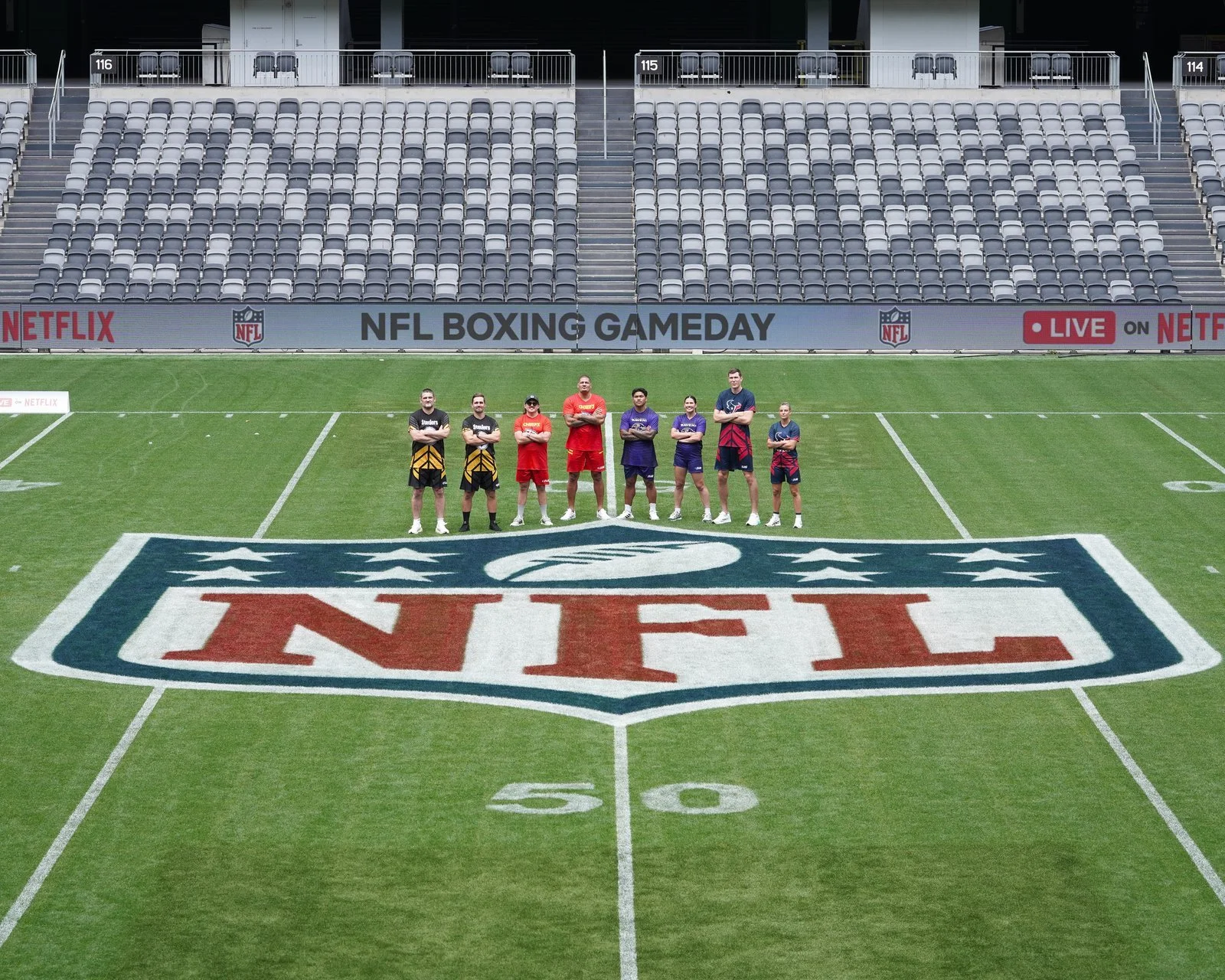
The Box-Ticking Problem
The most common failure mode in sponsor activation content is what might be called the box-ticking approach. The brief exists. The crew turns up. Content gets made. Deliverables are produced and sent to the brand. Everyone has technically done their job.
But the content doesn't perform because it was never designed to. It was designed to exist, not to connect.
Audiences are extraordinarily good at identifying content that was produced to fulfil an obligation rather than to tell a story. They scroll past it in milliseconds. The engagement numbers are low, the brand team is disappointed, and the federation is left trying to defend the value of the partnership at renewal time.
The fix isn't a bigger crew or a higher production budget. It's a fundamentally different approach to what sponsor and partnership content is trying to achieve.
What Authentic Feels Like — and Why It Works
The sponsor activation content that consistently performs well has one defining characteristic: it feels like it belongs at the event.
It doesn't feel like an ad. It doesn't feel like it was planned in a boardroom by people who don't understand sport. It feels like a genuine moment — a real interaction between a brand, an athlete, an event, and an audience that actually cares about all three.
This is harder to produce than it sounds, because it requires a production team that can work fluidly in a live sporting environment, find the genuine moments as they happen, and capture them in a way that serves the brand's objectives without looking like it's trying to.
The technical skills required for this kind of work are quite specific. You need the instincts of a documentary filmmaker, the commercial awareness of a brand strategist, and the sporting intelligence to know where to be and when. It's a combination that genuinely specialist sponsor content teams develop over years of working in high-performance sporting environments.
The Integration Gap
One of the clearest failures in most sponsor activation content is the gap between the sponsor and the sport.
The brand appears. The athletes appear. But the connection between them feels forced, because it is. The athlete is performing a scripted interaction with a branded prop. The crowd in the background is incidental. The emotion of the event has nothing to do with what the camera is capturing.
Effective sponsor and partnership content closes this gap. The brand is embedded in the narrative of the event — not placed alongside it. The athlete interaction feels genuine, because it is. The emotional context of the sport is present in the content, because the production team has captured it rather than staged it.
This kind of integration requires planning, creative alignment between the brand and the production team, and a willingness to let the event itself shape the content rather than trying to control it entirely.
The Brief That Changes Everything
The most effective sponsor activation content starts with a different brief to the one most brands and federations write.
Instead of: produce three short films featuring our branding at the event.
Try: we want athletes to be genuinely excited to share this content through their own channels, and we want our audience to feel like this brand belongs in this sporting environment.
That second brief produces fundamentally different content — and fundamentally different results.
It also changes what you ask of the production team. You're not asking them to document a sponsor presence. You're asking them to create content that serves the brand's audience, the sport's audience, and the partnership's long-term objectives simultaneously. That requires a team that understands all three.
Talk to PUP Creative
When sponsor activation content is done well, the results are measurable and significant.
Athletes and talent share the content themselves, extending the reach beyond what any paid distribution could achieve. The brand's own social and digital channels see genuine engagement — not because the content was boosted, but because it was genuinely worth watching. The federation can point to specific, high-performing pieces of content in the renewal conversation rather than aggregate impression numbers.
And the sponsor feels good about the partnership — not just commercially satisfied, but genuinely proud of what was produced in their name. That emotional dimension of partnership satisfaction is underrated, and it's one of the strongest drivers of long-term relationship retention.