
Event Video Coverage for Sporting Bodies: A Strategic Guide to Getting It Right
For a sporting body or federation, a major event is the centrepiece of the calendar. It is where the sport's best athletes compete, where commercial partners activate, where broadcast relationships are tested, and where the organisation's brand is on display to its largest audience of the year. The video content produced around that event needs to reflect the significance of the occasion and deliver value across every one of those stakeholder relationships simultaneously.
Getting event video coverage right at this level is not simply a matter of turning up with cameras. It requires strategic planning, the right production capability, and a clear understanding of how different content deliverables serve different organisational objectives.
The Multiple Stakeholders of Event Video
One of the defining challenges of event video production for sporting bodies is that the content needs to serve multiple audiences and stakeholders, often with different requirements and expectations.
Broadcast and streaming partners need high-quality non-live editorial content that complements the live rights package. Player features, competition previews, official event films, and access content from training and media environments add depth and value to the broadcast experience and are increasingly a formal part of rights delivery obligations.
Commercial and sponsorship partners need content that delivers on the activation commitments made at the partnership level. This includes branded content series, presented-by editorial programs, and event coverage that integrates partner branding in a way that is prominent without being intrusive.
Owned and operated channels need a consistent supply of high-quality content across the event window to drive audience engagement, grow digital followings, and generate the platform metrics that support future commercial conversations.
The organisation's own archive and legacy needs require official event films and milestone content that will retain value long after the competition has concluded.
Planning Event Video Coverage at the Right Level
The most common mistake sporting bodies make with event video is treating it as a logistical afterthought rather than a strategic priority. By the time the event schedule is locked, the venues are confirmed, and the accreditation process is underway, the opportunity to plan genuinely effective video coverage has often already passed.
Effective event video planning starts months before the first day of competition and addresses the following:
Content architecture. What are the flagship deliverables for this event? What editorial series will run across the event window? What social content cadence is required? What are the specific deliverables committed to broadcast and commercial partners?
Access and accreditation. The most valuable event content comes from access that most cameras don't have. Training sessions, media days, dressing room environments, and off-venue athlete activities require specific accreditation and relationship management. These need to be planned and confirmed well in advance.
Production capability and crew. The scale and complexity of the production crew needs to match the scale and complexity of the content program. A single operator cannot simultaneously deliver broadcast-quality match coverage, athlete features, social content, and partner activation pieces. The right production partner will help you scope the crew and equipment requirements accurately.
Turnaround requirements. Different content deliverables have different turnaround requirements. Social content may need to be live within hours of capture. Official match films may have a 24 to 48 hour window. A season documentary may be produced over weeks. Understanding and planning for these timelines is essential to a well-run production.
Platform and format requirements. Content destined for broadcast has different technical specifications to content destined for Instagram or a federation website. A production team that understands these requirements from the outset will deliver content that is actually usable across every platform it needs to reach.
The Non-Live Content Opportunity
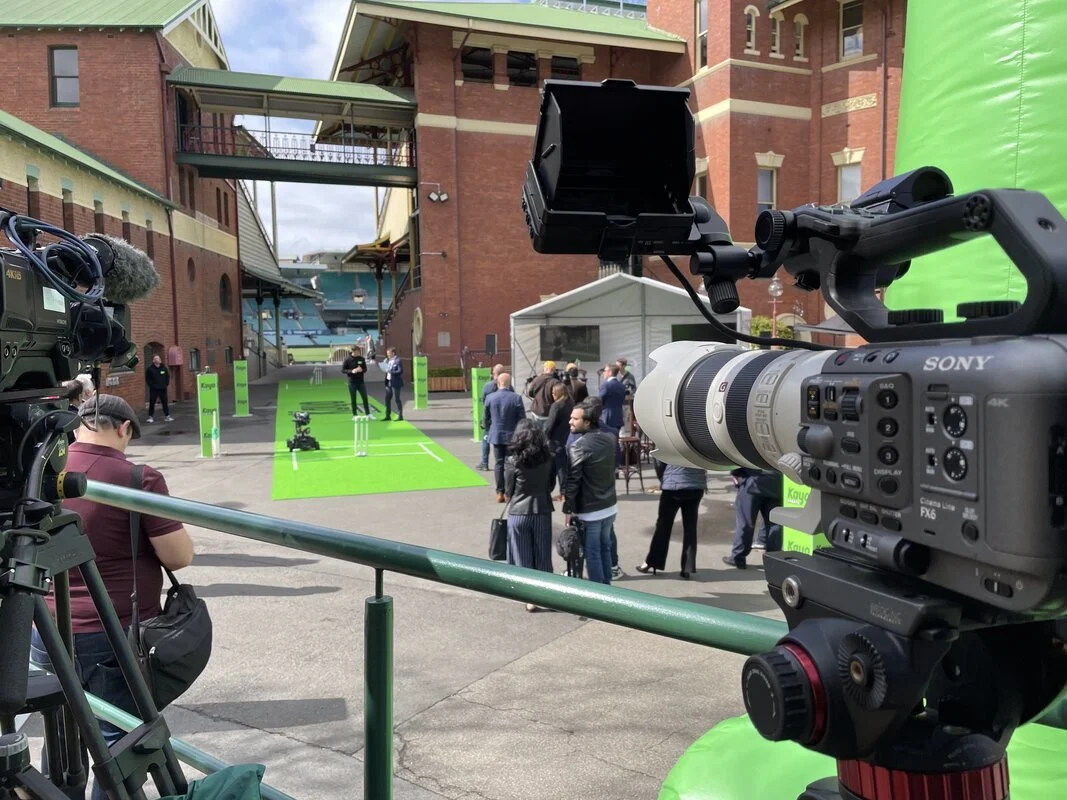
One of the most underinvested areas of event video for Australian sporting bodies is non-live content production. While broadcast coverage of the competition itself often receives the most attention and resource, it is frequently the non-live editorial content that delivers the greatest audience engagement, the most commercial partner value, and the longest content shelf life.
Player features produced around an event give audiences a reason to engage with the sport beyond the competition window. Official event films become permanent parts of the sport's historical record and carry ongoing commercial licensing potential. Access content from training environments and media days provides the kind of authentic behind-the-scenes material that audiences increasingly expect and that broadcast partners actively seek.
The organisations producing this content consistently and at a high standard are building content libraries that generate ongoing value long after the event has concluded.
Choosing the Right Production Partner for Your Event
At the level of national and state sporting events, the production partner you choose matters significantly. The key considerations are:
Sports-specific experience. A production team that understands your sport, its rhythms, its athletes, and its competition format will produce better content than a generalist team regardless of their technical capability. Experience in high-performance sporting environments, including the accreditation processes, access protocols, and time pressures that come with them, is essential.
Broadcast credential. For organisations with broadcast partnerships, the production team needs to be capable of delivering content that meets broadcast technical standards. This is not a universal capability and should be verified before engagement.
End-to-end production capability. The most effective event content programs are delivered by teams that can manage the full production pipeline: from pre-production planning through to shooting, editing, and delivery across multiple formats and platforms. Fragmenting this across multiple providers creates coordination risk and inconsistency in output quality.
Understanding of the commercial context. The production team needs to understand that the content they are producing serves commercial as well as creative objectives. A team that has worked within ICC, FIFA, or Grand Slam production environments understands what it means to produce content that meets the expectations of major rights holders and commercial partners.
Talk to PUP Creative
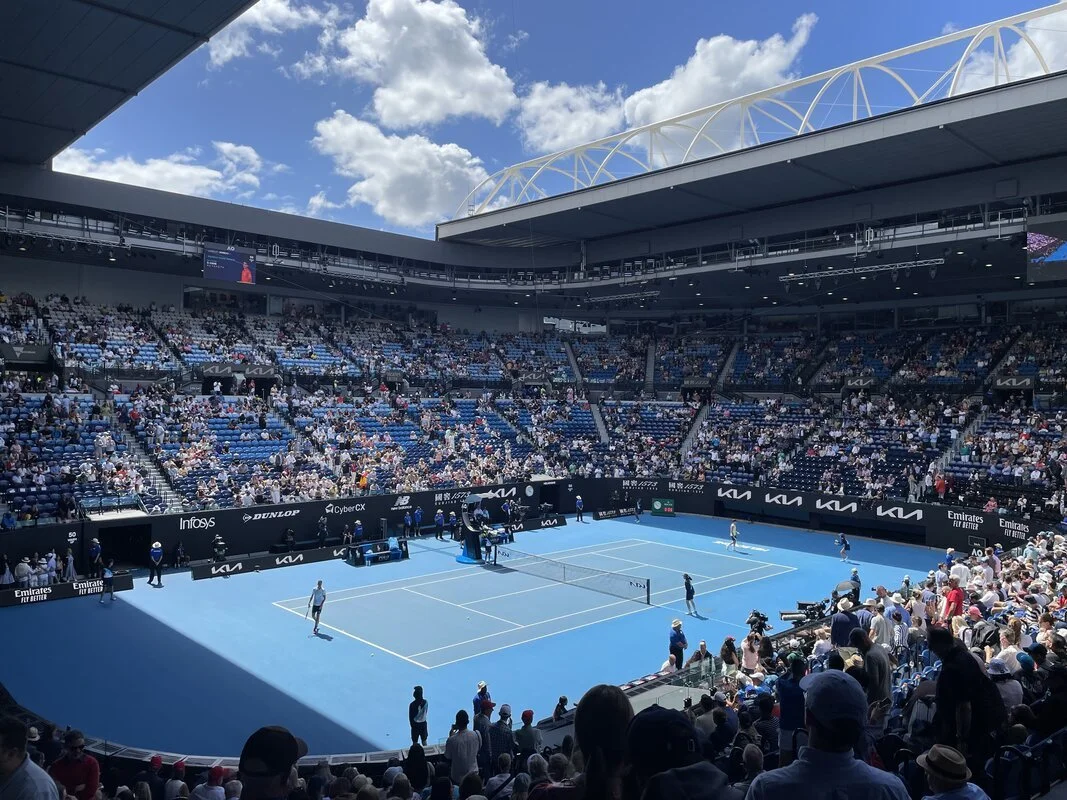
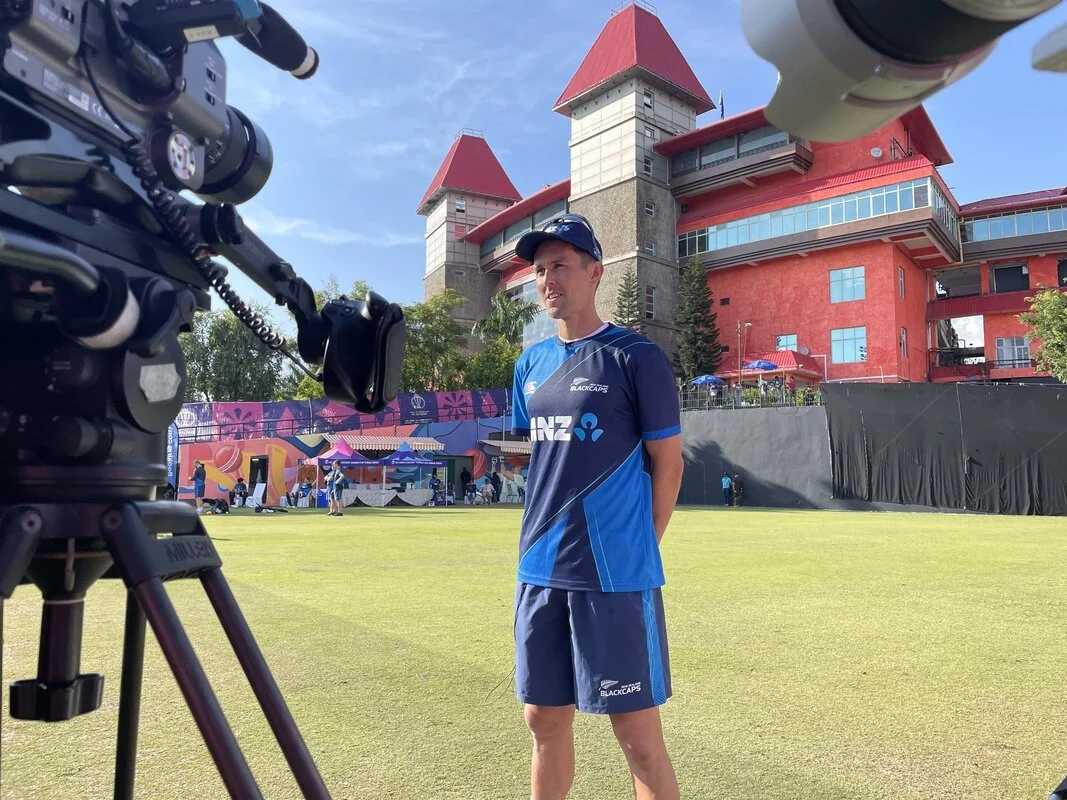
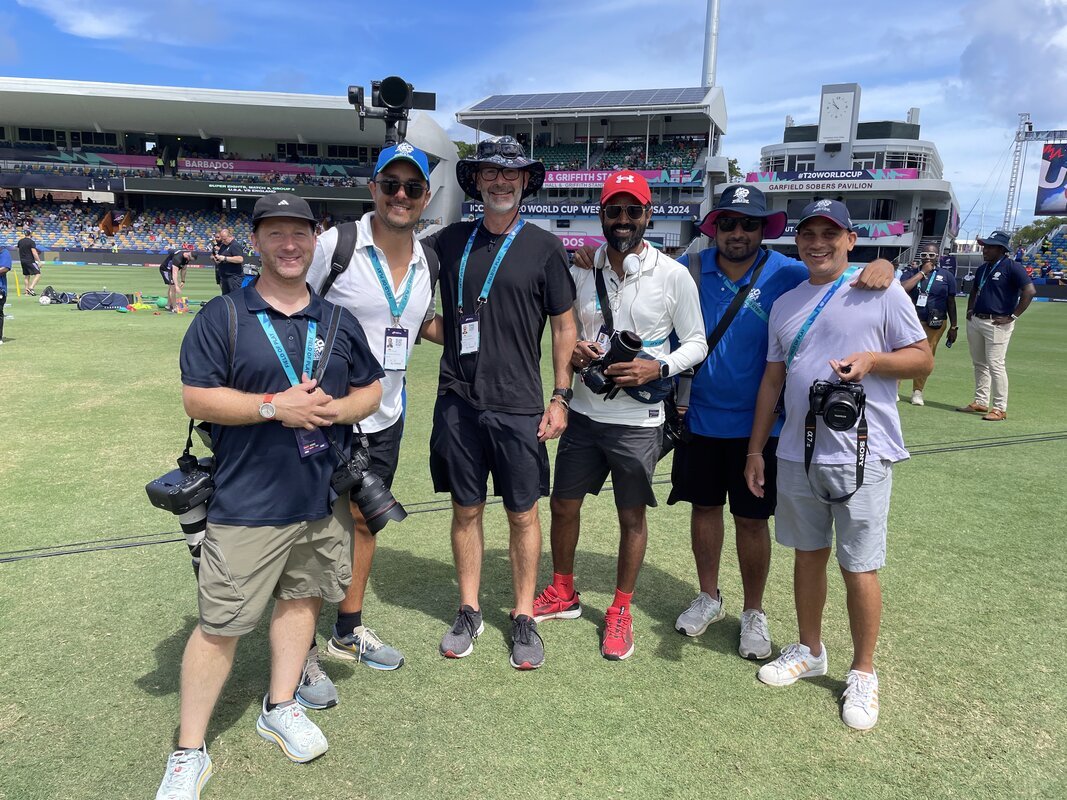
PUP Creative has delivered official event video content at ICC Cricket World Cups across five consecutive tournaments, the FIFA Women's World Cup 2023, and the Australian Open since 2022. We understand what event video production looks like at the highest level and how to translate that capability to serve the specific needs of Australian sporting bodies and federations.
Get in touch at pat@pupcreative.com.au to talk about your project.