
Why Major Event Experience Makes You Better at Every Level
There is a question that organisations at every level of Australian sport ask, often implicitly, when they're evaluating a production partner: does the experience they have at major international events actually translate to what we need?
The honest answer is yes — and in ways that are more specific and more practical than the general claim of "high standards" suggests.
The instincts, disciplines, and professional habits developed through sustained production work at ICC Cricket World Cups, FIFA Women's World Cups, Australian Opens, and events of that calibre do not stay in those environments. They become the default operating standard for every project that follows, regardless of scale.
Here's what that actually looks like in practice.
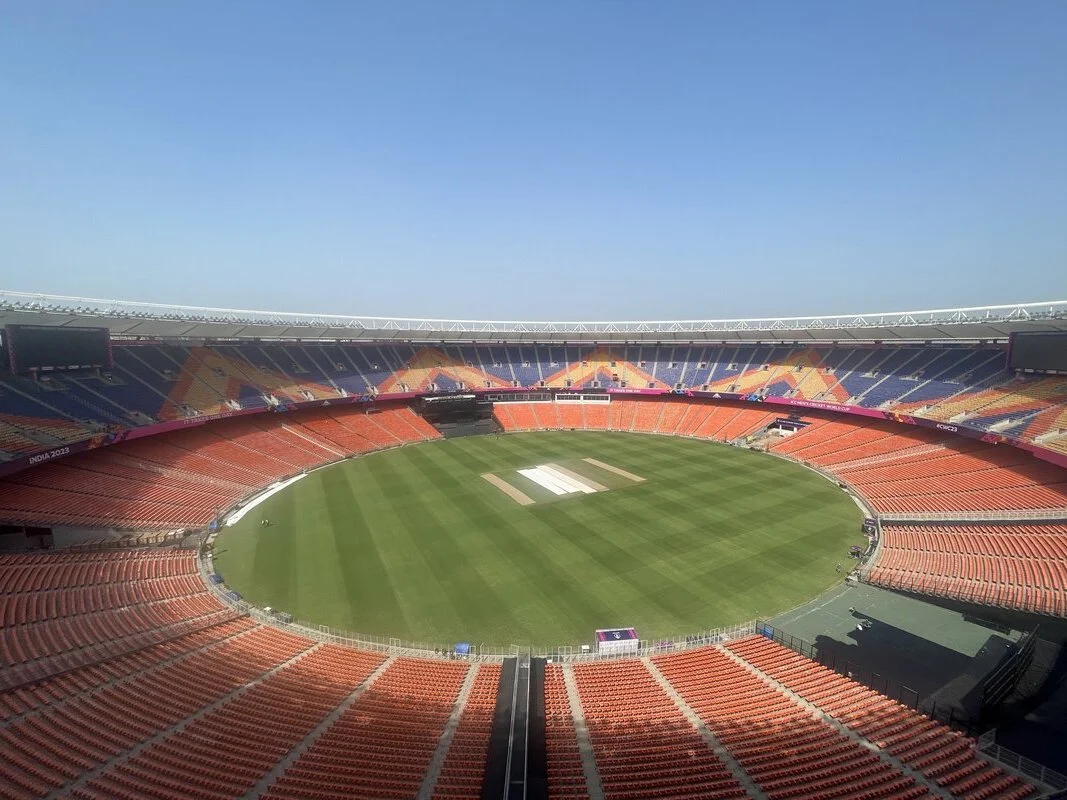
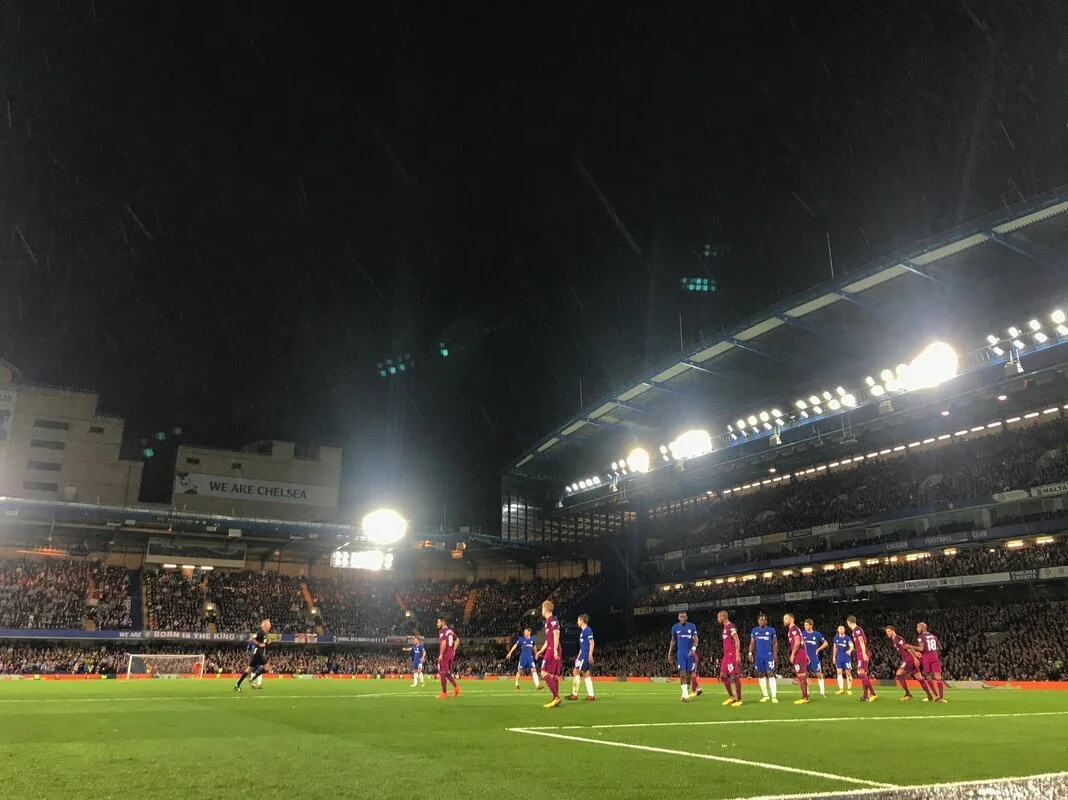
The Anticipation Instinct
At a major international sporting event, the most important skill a production operator can have is knowing where to be before something happens.There is no opportunity to reset. No second chance at a significant moment. The production team that is in the right position when a player walks out of the tunnel, when a coach reacts to a momentum shift, when a crowd responds to an unexpected result — that team captures the content that matters. The team that was in the wrong position gets nothing.Developing this anticipation requires deep sporting intelligence — understanding the rhythms of elite competition, the patterns of behaviour that precede significant moments, the physical geography of different sporting environments and where the meaningful action is likely to occur.This instinct, developed across five ICC World Cups and multiple Grand Slam productions, applies to every sporting environment. A regional championship. A state federation event. A club milestone occasion. The instinct to be in the right place at the right moment is not event-specific — it is a production skill that transfers completely.
Calm Under Pressure
Major event production operates under a specific kind of pressure that controlled production never imposes: the pressure of irreversibility. When something goes wrong at a scheduled shoot, you can reset. When something goes wrong at a live sporting event, the moment is gone.Operating consistently and calmly within this pressure — making good creative decisions quickly, adapting to changed circumstances without losing focus, delivering quality content within tight windows — is a discipline that becomes habitual through experience. It stops being a response to exceptional pressure and becomes the normal operating mode.For organisations commissioning production work at any level, this translates directly. A team that has operated calmly and effectively at a FIFA Women's World Cup has already encountered most of the unexpected things that can happen in a production environment. Their response to the unexpected at a state championship is not stressed improvisation — it is the application of an established set of professional habits.
The Fast Turnaround Standard
Every major event PUP Creative has worked on — ICC, Australian Open, FIFA, British and Irish Lions — has required fast turnaround delivery as a baseline. Content delivered to broadcast partners within hours. Official films delivered within the event window. Social content live while the event is still generating audience attention.This creates a production approach that is built around speed and quality simultaneously — not as competing priorities, but as a single integrated standard. The edit decisions that allow for fast turnaround without sacrificing quality become instinctive. The workflow that moves from capture to delivery efficiently becomes the default, not a special case.For a federation or event organiser who needs content that is useful during the event, not just after it, this established fast-turnaround standard is directly relevant. The production team that has met broadcast deadlines at an ICC World Cup will meet your event's content schedule.
Professional Conduct in Complex Environments
Major international sporting events are professionally complex environments. Rights holders, broadcast partners, athlete management, federation communications teams, event operations staff, and media organisations from multiple territories are all operating simultaneously, often with overlapping interests and occasionally competing requirements.Navigating this environment — building productive relationships with the people who control access, understanding how to operate within rights structures without creating conflict, knowing when to push and when to defer — is a professional skill that develops only through sustained exposure to exactly these environments.This professional conduct carries into every engagement. An organisation that works with a production team with genuine major event experience is working with a team that knows how to operate professionally in complex stakeholder environments — because they do it regularly at the most professionally demanding events in world sport.
The Credibility Signal
There is one final dimension of major event experience that matters when you are commissioning production work: credibility with the people you most want to impress.If your content is going to be reviewed by broadcast partners, major sponsors, or governing bodies — if it is going to represent your organisation at the highest level — the production track record of the team producing it matters. Content produced by a team trusted at ICC, FIFA, and Grand Slam level carries a credibility signal that supports the commercial and institutional conversations you need to have.PUP Creative's major event experience is available at every scale of engagement. If you want to talk about what that experience could bring to your event or content program, get in touch.