
What It Actually Takes to Produce Content at a Major International Sporting Event
There is a version of sports video production that happens in controlled environments — fixed locations, predictable schedules, talent who arrive on time, and the ability to reset a shot that didn't work. It's demanding work, and it produces excellent content.
Producing content at a major international sporting event is a different discipline entirely. The environment is live, unpredictable, and entirely indifferent to your production requirements. Moments happen once and don't repeat. Access is controlled by accreditation systems that no production request can override. Broadcast teams, media organisations, and event operations are running simultaneously in the same spaces, with the same access constraints, under the same pressure.
Understanding what this environment actually demands — and what kind of production experience it requires — matters whether you're evaluating a production partner for your event or trying to understand what separates good sports content from great sports content.
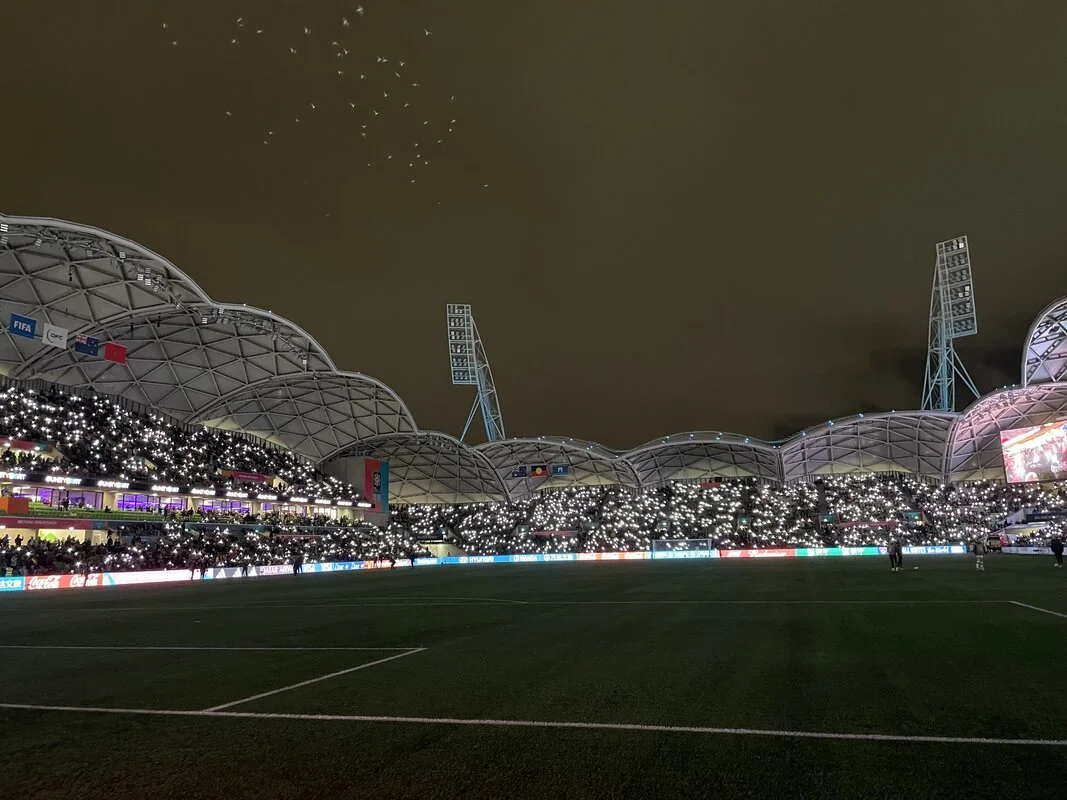
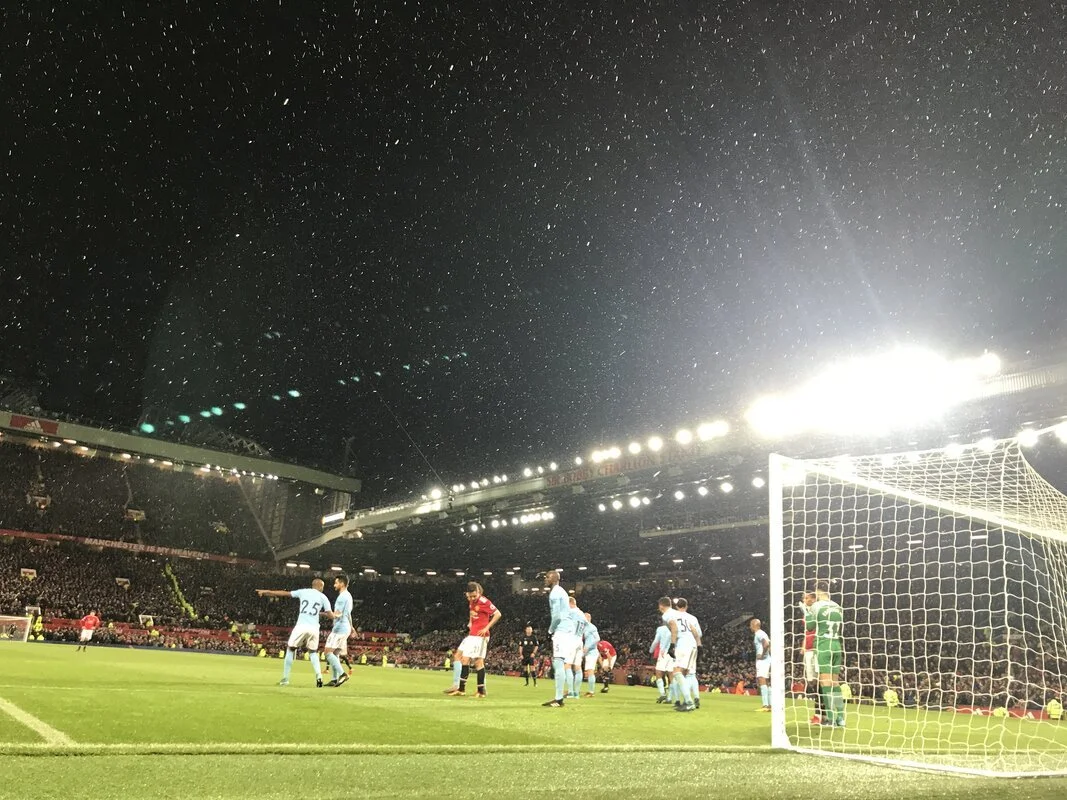
Moments Happen Once
The most fundamental reality of major event production is that the moments that define an event — the ones audiences remember, the ones that make the content compelling — cannot be scheduled, predicted, or replicated.A player's expression in the tunnel before a final. A coach's reaction when the margin narrows. The crowd in the exact instant a record falls. These moments exist for seconds, in specific places, under conditions that will never occur again in exactly that configuration.Being in the right place when they happen requires preparation — understanding the event's rhythms, anticipating where the significant moments are likely to occur, and having the physical and creative readiness to capture them when they do. It also requires the experience to know that the most important moment of the day might not be the one that was briefed. The production team at a major event who is only looking for the obvious shots will miss the extraordinary ones.This is the instinct that years of major event production experience builds. It cannot be developed in a controlled production environment. It comes from being in these spaces, repeatedly, under real conditions.
Timelines Are Immovable
At a major sporting event, the production timeline is not a negotiation. Content committed to a broadcast partner needs to be delivered by the broadcast deadline. Social content that captures a significant moment needs to be live while the moment is still relevant. Official event films need to be completed within windows that the event schedule determines, not the production team's preference.This means the full production pipeline — capture, edit, grade, deliver — has to function under time pressure that most production contexts never impose. An editor who needs a full day to turn around a three-minute piece is not viable in an environment where the window might be four hours. At ICC Cricket World Cups, Australian Opens, and FIFA Women's World Cup productions, PUP Creative has consistently operated within these constraints — delivering official content, athlete features, and sponsor pieces to broadcast deadlines across multi-day, multi-venue tournaments. The production approach is built around fast turnaround as a default, not as an exceptional requirement.
Access Is Controlled
Every major international sporting event operates within a formal accreditation structure. Which areas of the venue a production team can access, which athletes and officials they can approach, which sessions they can attend — all of this is determined by accreditation categories that are managed by the event's media operations team, not negotiable on the ground.Working effectively within these constraints requires experience with how accreditation systems function at major events, relationships with the organisations that manage them, and the professional judgement to maximise the access that is available rather than spending time and energy on access that isn't.It also requires understanding that the most valuable content at a major event often comes from the access that is available — the training session, the media day, the informal environment around the venue — rather than from pushing for access that isn't. A production team with genuine major event experience knows this and plans accordingly.
Broadcast and Media Operations Run in Parallel
At major international sporting events, the production environment is crowded. Broadcast teams with significant technical infrastructure are operating across the venues. Media organisations from multiple territories are pursuing the same access windows. Event operations teams are managing everything simultaneously.A non-live production team operating in this environment needs to deliver its content without disrupting any of this. That requires professional discipline, an understanding of how broadcast operations function, and the ability to make creative decisions quickly without creating logistical overhead for the teams around you.This is a professional standard that is only developed through sustained experience in these environments. Production teams that have worked primarily in controlled settings often underestimate how different the major event environment is — and the cost of that underestimation shows in the content and in the relationships with the event's operational teams.
What This Means When Choosing a Production Partner
For event organisers, federations, and rights holders evaluating production partners for significant events, the question of major event experience is not a vanity question. It is a practical one.
A production team without this experience will struggle — not because they lack technical capability, but because the environment will expose gaps in preparation, timing, judgement, and professional conduct that controlled production never tests.
The evidence to look for is specific: named events, named roles, content that was actually delivered. Not a showreel of technically impressive work from controlled environments — a track record of delivery in the specific kind of environment your event represents.
PUP Creative's major event experience spans ICC Cricket World Cups across five consecutive tournaments, the Women's World Cup 2023, the Australian Open since 2022, the British and Irish Lions Tour, NBA Australia, and Premier League Productions. That track record is the foundation of every production engagement, regardless of scale.