
Working Alongside Broadcast: How Production Teams Operate at Live Sporting Events
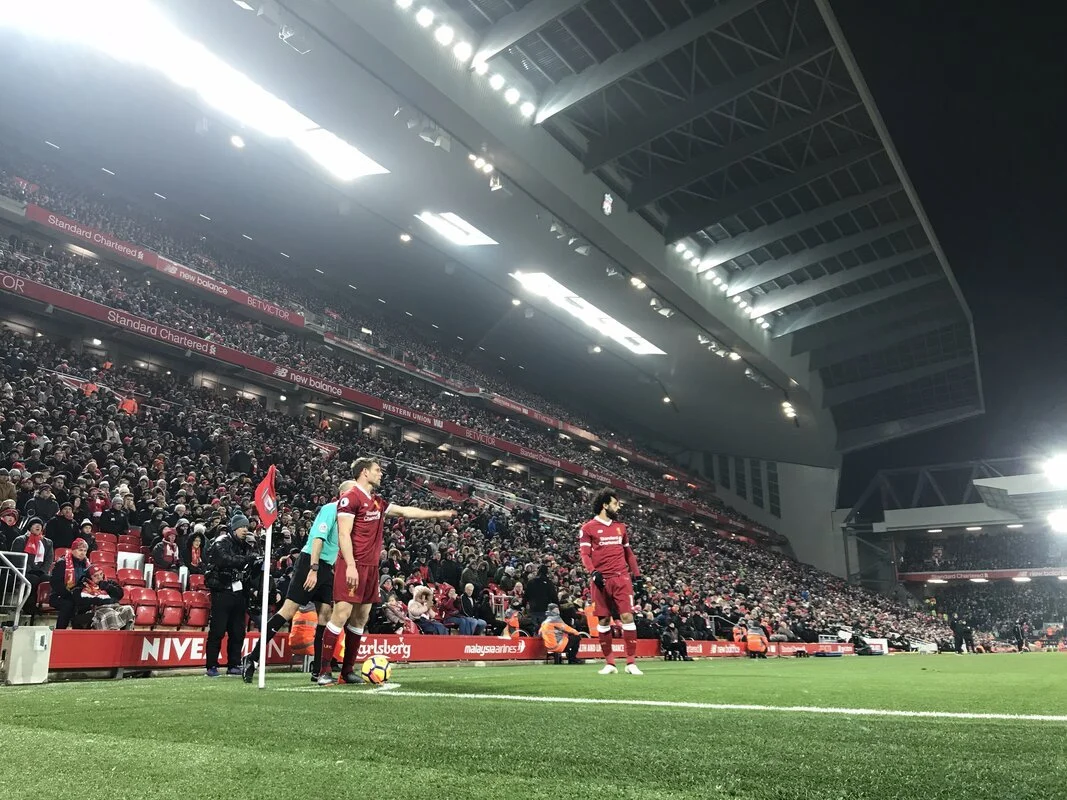
The production environment at a major international sporting event is not what most people imagine when they picture a video shoot. There is no controlled set, no clear hierarchy of who has priority over which space, and no mechanism for clearing the venue so your production team can work without interruption.
What there is, instead, is a complex professional environment in which multiple production entities — broadcast rights holders, host broadcasters, independent rights-holding media, and non-rights content teams — are all operating simultaneously in the same spaces, competing for the same access windows, and navigating the same accreditation constraints.
Operating effectively in this environment, without creating friction, without compromising the work of the teams around you, and without sacrificing the quality of your own content — that is a professional skill. And like most professional skills, it is developed through sustained experience of exactly these conditions, not through general production competence applied to a new setting.
The Broadcast Environment Explained
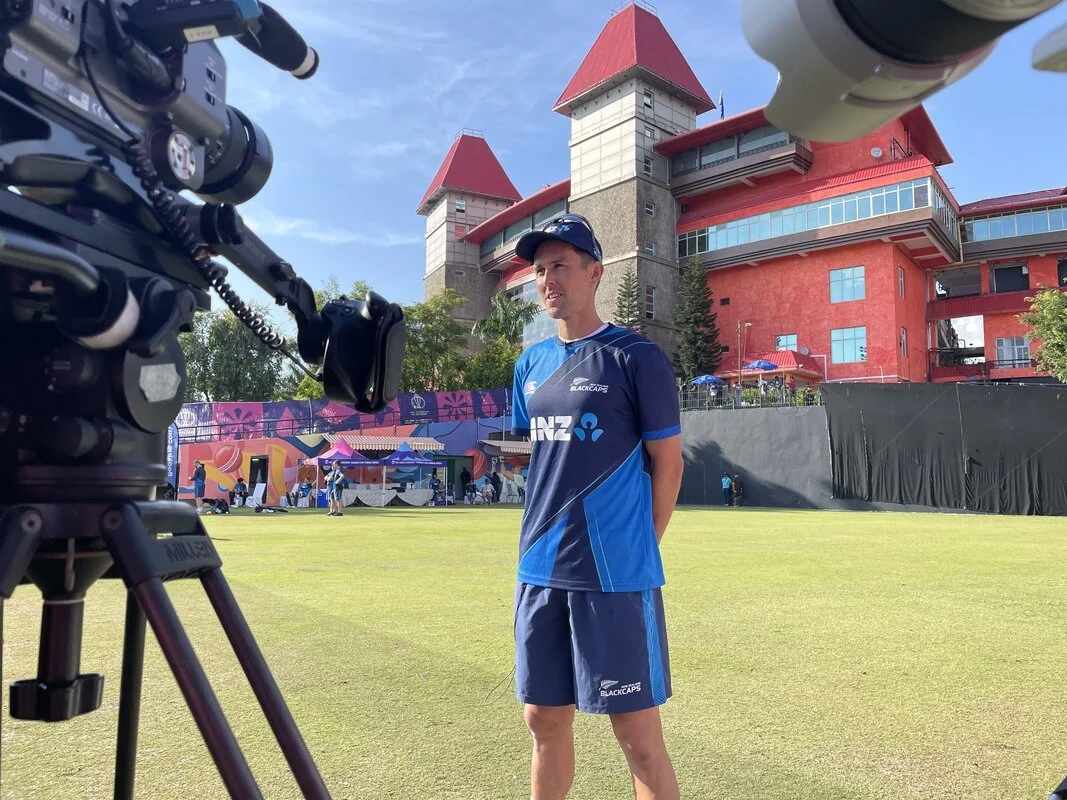
At a major international sporting event, the broadcast rights holder is the dominant production presence. They have the most extensive accreditation, the largest technical footprint, and the operational priority in the areas their rights require them to cover.Around them, host broadcast teams manage the clean feed and the facilities that other broadcasters draw from. International media organisations operate with their own accreditation, pursuing the access windows and content they need for their own territories. And event media teams, official content producers, and non-rights production teams like PUP Creative operate within the spaces and windows that the accreditation structure makes available.None of these entities is coordinating with the others in real time. They are operating according to their own briefs, within their own constraints, in a shared environment. The production team that understands this — that knows how to read the broadcast environment, anticipate where constraints will apply, and make creative decisions within those constraints rather than constantly butting against them — is the team that produces good content and maintains good relationships with the people who control future access.
What Professional Conduct Looks Like in Practice
In a major event production environment, professional conduct is not about courtesy. It is about operational awareness.It means understanding where the broadcast team's cameras are and not placing yourself in their shot. It means knowing which mixed zones are available for non-rights operators and which aren't, and having planned content accordingly. It means being ready to move quickly when operational requirements change, rather than defending a position because it was the position you planned for.It means understanding the media operations team's priorities and working with them rather than against them — not treating accreditation constraints as bureaucratic obstacles, but as the operational reality of a complex environment that runs on controlled access.And it means delivering content that stands alongside broadcast quality rather than looking conspicuously different — because the event partners, federations, and sponsors who receive that content will be comparing it, consciously or not, with what broadcast is producing from the same environment.These are habits developed through years of operating in these environments. The production team attending their first major event learns them over the course of the event — usually by making mistakes they won't make again. The production team that has worked five consecutive ICC World Cups walks into the environment with them already established.
Creative Decisions Within Constraints
One of the misconceptions about operating in a constrained broadcast environment is that the constraints reduce the creative quality of the content. The reality is more interesting than that.Constraints in a major event environment are a creative parameter, not a ceiling. The production team that understands which moments, locations, and access windows are genuinely available — and builds their creative approach around capturing those brilliantly — produces better content than the team that plans for access they won't get and spends the event managing disappointment.The training session that the broadcast team isn't covering. The informal environment around the venue in the hours before competition. The athlete in a quiet moment before or after the structured media requirements. The crowd in an area of the venue that the broadcast cameras can't reach. These are the spaces where genuinely distinctive sports event content is made — and finding them requires knowing the event environment well enough to see the creative opportunity within the operational reality.
Why This Matters When You're Commissioning Content
For event organisers, federations, and rights holders commissioning content at a significant sporting event, the broadcast environment question is a practical one.A production team without experience in this environment will create friction — with broadcast teams, with media operations, with accreditation management. That friction has consequences: for the production team's ability to get the content they were commissioned to produce, and for the organisation's relationships with the people who manage the event.A production team that has operated consistently in major event broadcast environments — at ICC World Cups, Australian Opens, FIFA Women's World Cup, the British and Irish Lions — brings a professional standard to that environment that protects both the content and the relationships.If you're planning event content that will operate alongside broadcast, get in touch with PUP Creative to discuss how that experience applies to your event.