
From Logo to Story: How Brands Get More From Sports Sponsorships With Video
The logo is not the partnership. It's the starting point.
For years, sports sponsorship value was largely measured by logo visibility — how prominent the branding was, how often it appeared in broadcast frames, what the equivalent advertising value of that exposure amounted to. These metrics made sense in an era when passive audience reach was the primary goal of brand marketing.
That era is over. The brands extracting real value from their Australian sports sponsorships today are thinking very differently about what a partnership is and what it can deliver. They have moved from logo to story — and video is the primary tool that makes that shift possible.
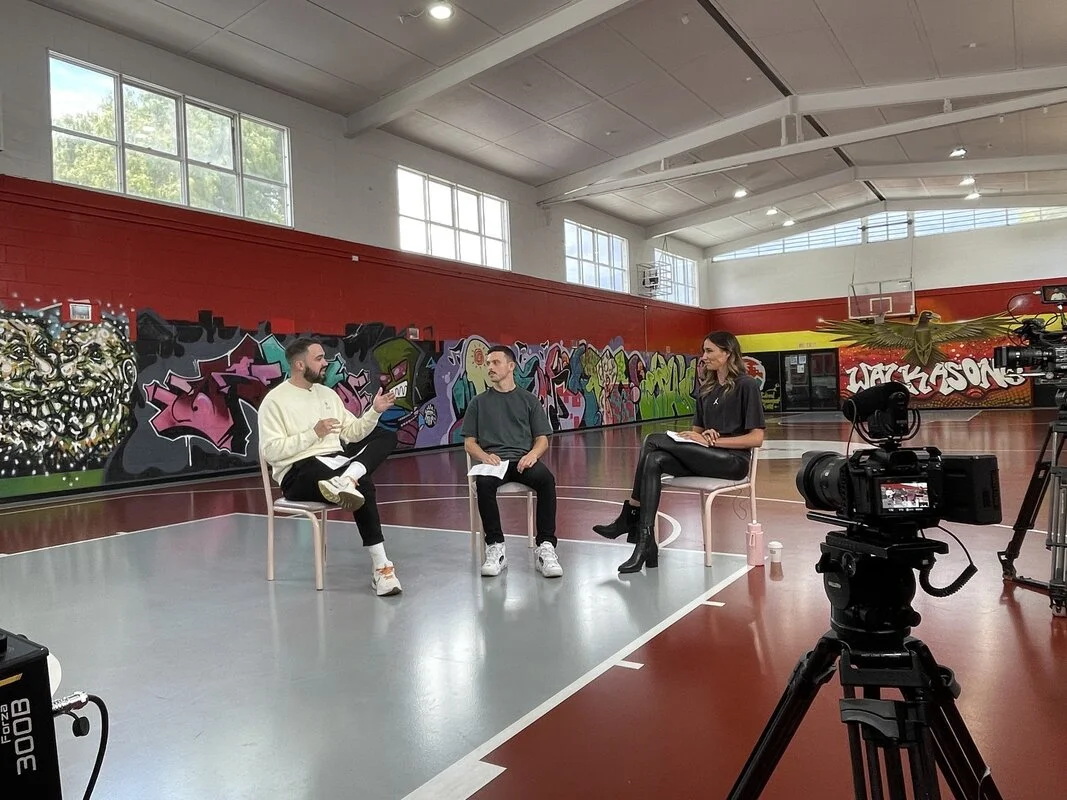

What the Partnership Actually Offers
When a brand invests in a sporting partnership, what it is really buying is access. Access to the sport's audience, yes. But more specifically, access to the emotional environment of the sport — the passion, the community, the meaning that sport carries for the people who care about it.
Logo placement puts the brand adjacent to that emotional environment. Story-driven video content puts the brand inside it.
The difference in audience response is significant. When a brand appears in content that is genuinely emotionally engaging — an athlete feature, a behind-the-scenes activation film, a cinematic moment from a major event — the audience's positive emotional response to the content transfers to the brand. That's basic psychology, and it's one of the most powerful mechanisms available to brand marketers.
Sponsor and partnership content built around genuine storytelling activates this mechanism. Logo placement on a fence panel does not.
The Owned Content Advantage
There's a practical commercial dimension to this shift that is increasingly important for brand partners.
Logo placement in broadcast generates exposure — but the brand doesn't own the content, can't direct it, and can't repurpose it. The moment the broadcast window closes, the asset depreciates to zero.
A well-produced sponsor content film is owned by the brand. It can be used in digital campaigns, shared through the brand's own social channels, included in internal presentations, used in future partnership pitches, and referenced in award submissions. The asset has commercial utility across multiple channels and a shelf life measured in years, not hours.
For brand managers trying to demonstrate ROI from their sports spend, this distinction is significant. Content that can be measured, repurposed, and pointed to specifically is far easier to defend at budget review time than aggregate broadcast impression numbers.
Athletes Are the Bridge
The most effective sports sponsorship content uses athletes as the connective tissue between brand and audience.
This works because athletes carry enormous credibility and audience affinity. When an athlete is genuinely involved in sponsor content — not scripted and stilted, but naturally integrated into a story that serves both their own narrative and the brand's objectives — their audience trusts the association in a way they never would with a banner advertisement.
The key word here is genuinely. Athletes can tell when they're being used as a prop, and their discomfort shows. The content that generates the strongest audience response is the content where the athlete interaction is real — where the brand has found a way to be part of something the athlete actually cares about.
This requires creative thinking and genuine partnership between the brand, the federation, and the production team. When it works, the results are extraordinary — content that athletes share willingly through their own channels, reaching audiences that paid advertising cannot touch.
The Content Calendar Approach
Brands that get the most from their sports sponsorships aren't thinking about activation content as a one-time exercise. They're thinking about it as a content calendar.
This means planning content across the season or event cycle — not just a single piece at the flagship event, but a consistent cadence of content that keeps the brand present and relevant throughout the partnership period. Season launches, mid-competition features, player profile content, event activation films, and season retrospectives all contribute to a content program that builds audience familiarity and brand association over time.
A production partner with experience in sports sponsorship content can help plan this architecture — identifying the key moments in the sporting calendar where brand integration will be most natural and most valuable, and ensuring the production approach for each piece serves both the immediate asset and the longer-term content strategy.
Making the Business Case Internally
One underappreciated benefit of story-driven sponsor content is what it does for internal stakeholders.
A logo on a banner is difficult to make exciting in a board presentation. A three-minute film that captures a brand-funded athlete feature, with genuine emotion and a measurable performance record, is a very different proposition. It justifies the spend, it demonstrates strategic thinking, and it gives the marketing or partnerships team a piece of work they're genuinely proud of.
This internal dimension of content value matters. Sponsorships are multi-year commitments that need ongoing internal support. Content that the brand team is proud of sustains that support in a way that impression numbers never will.
If you are a brand looking to get more from your sports partnership, or a federation looking to give your sponsors something they'll genuinely value, talk to PUP Creative about what story-driven sponsor content looks like in practice.