
Why Video is the Most Powerful Content Asset a Sporting Organisation Can Own
For Australian sporting bodies and federations, the content landscape has shifted dramatically. Video is no longer simply a communications tool or a social media afterthought. Produced and managed strategically, it is one of the most valuable commercial assets an organisation can own, driving broadcast value, deepening audience engagement, attracting commercial partners, and building the kind of long-term brand equity that sustains a sport's growth for decades.
The organisations that understand this are pulling ahead. Those that don't are leaving significant value on the table.
From Content to Commercial Asset
The distinction between content and commercial asset is an important one. Content gets produced and consumed. A commercial asset generates ongoing value across multiple channels, stakeholders, and revenue streams.
For a national sporting federation or state sporting organisation, professionally produced video content can simultaneously serve:
Broadcast and streaming partners. High quality non-live editorial content, player features, official films, and competition highlights packages are deliverables that broadcast rights holders and streaming platforms actively want. They extend the value of a rights deal and deepen the audience experience beyond the live window.
Commercial and sponsorship partners. Sponsors are no longer satisfied with logo placement. They want content integration, audience reach data, and evidence of brand alignment. A well-produced content program gives partners something tangible, measurable, and shareable. It changes the sponsorship conversation from cost to investment.
Audience development. The sporting organisations growing their audiences fastest are those producing consistent, high-quality video content across owned and operated channels. Video drives time on platform, return visits, and the kind of emotional connection that converts casual followers into committed fans and members.
Rights and archive value. Official films, tournament documentaries, and milestone content retain commercial value long after the event. This is content that can be licensed, repurposed, and monetised across future campaigns, anniversary activations, and commercial partnerships.
What a Strategic Video Content Program Looks Like
The most effective video content programs for sporting organisations are built around a clear content architecture: flagship content that defines the brand, editorial content that tells the ongoing story of the sport, and social content that keeps audiences engaged year-round.
Flagship content includes official event films, season documentaries, and major milestone productions. These are high-production, long-shelf-life pieces that represent the organisation at its best and carry the most weight with broadcast partners, major sponsors, and governing bodies.
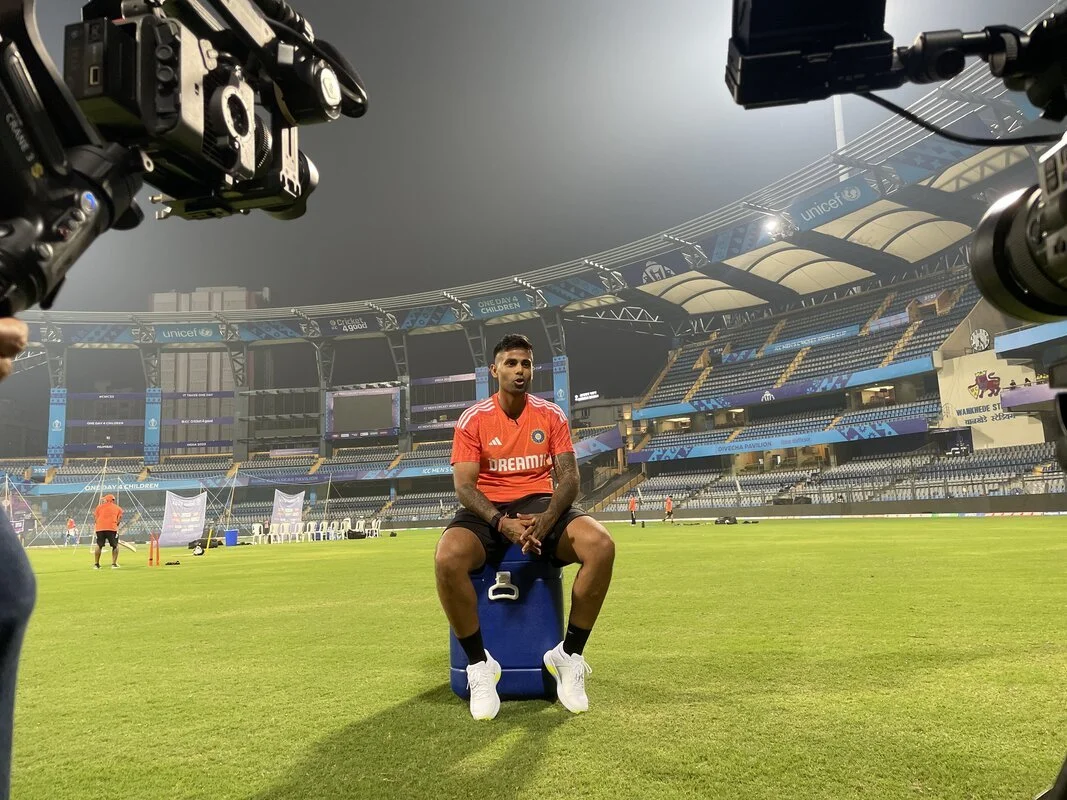
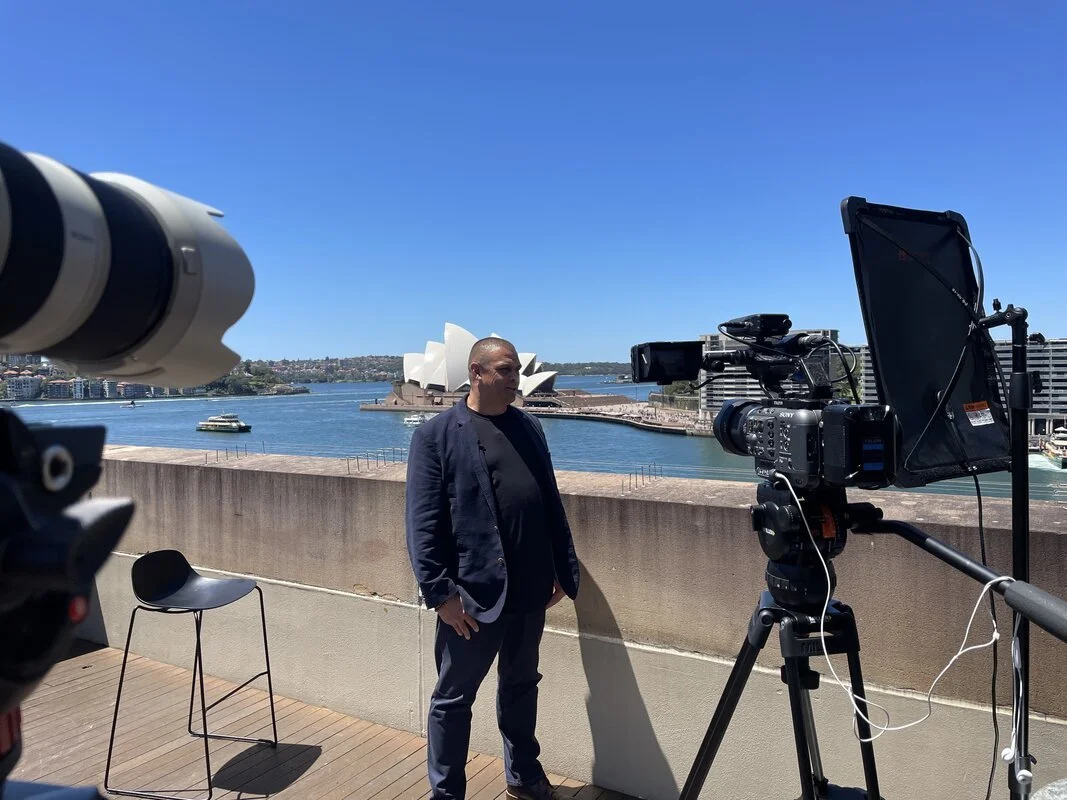
Editorial content covers player features, coach profiles, competition previews and recaps, and access content from training environments and media days. This is the content that builds narrative, develops athlete profiles, and gives audiences reasons to stay engaged between major events.
Social and platform content is the consistent, regular output across owned channels that maintains audience relationships, feeds algorithm performance, and drives the metrics that matter to commercial partners.
The Production Partner Question
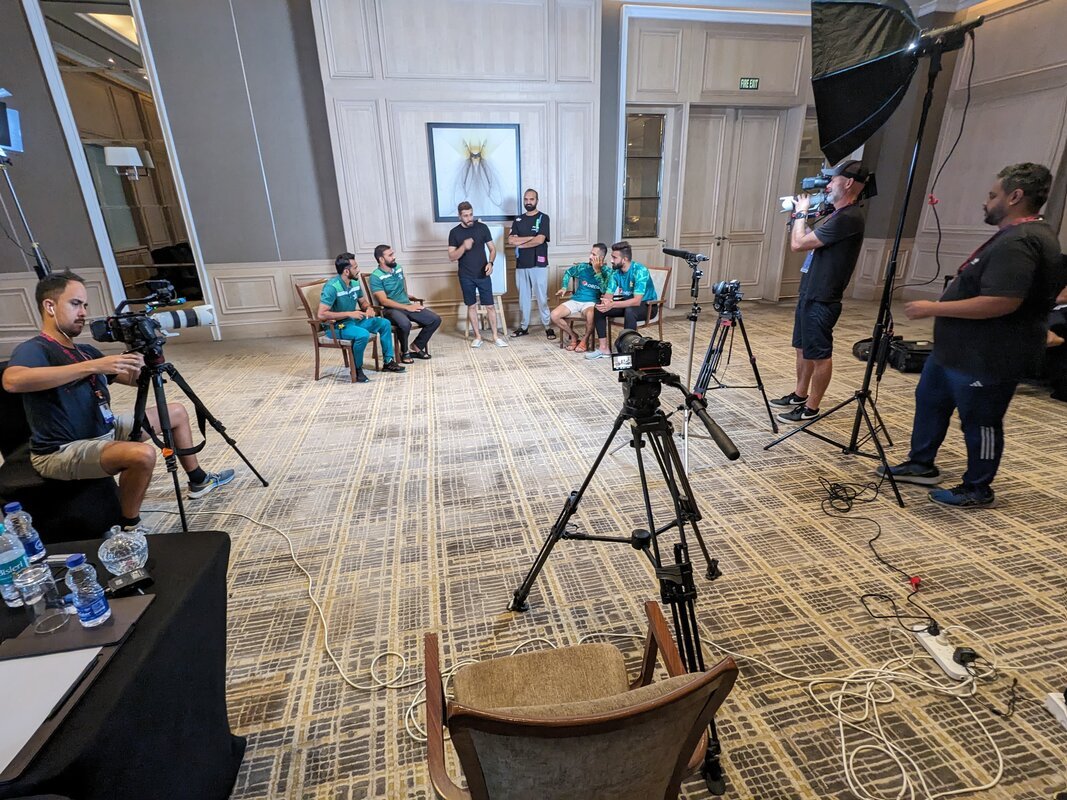
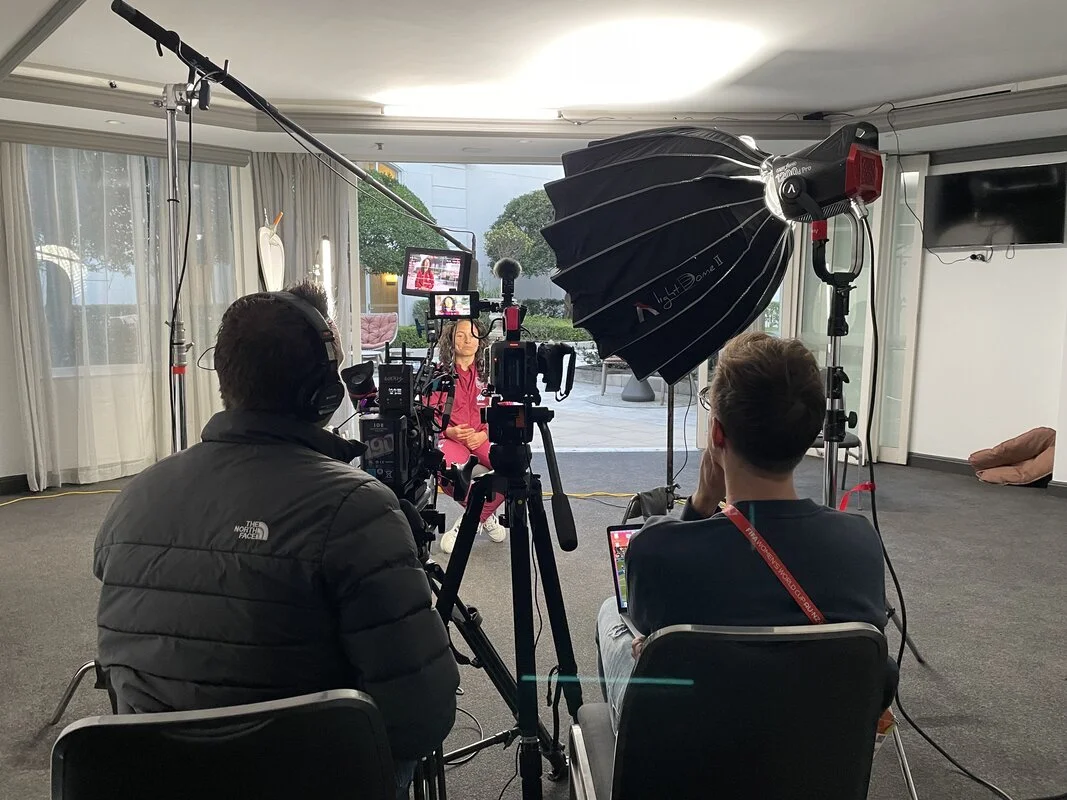
The quality of your content program is only as good as the production team executing it. For sporting bodies operating at state or national level, the right production partner brings more than cameras and editing software. They bring an understanding of the sport, an ability to operate within the access and accreditation constraints of high-performance environments, and the experience to deliver broadcast-quality content under the time pressure that competition schedules demand.
They should also understand the commercial context of the work. Content produced for a national federation is not just a creative deliverable. It is material that will be reviewed by broadcast partners, presented to major sponsors, and associated with the organisation's brand at the highest level. The standard needs to reflect that.
The Organisations Getting This Right
Across Australian sport, the organisations investing seriously in video content strategy are seeing the returns across every part of their commercial and audience development programs. Sponsorship conversations are more productive. Broadcast relationships are stronger. Athlete profiles are larger. Fan engagement is deeper.
The barrier to entry for high-quality sports video production has never been lower. The barrier to doing it strategically, consistently, and at a standard that genuinely moves the needle, is where the gap between organisations is growing.
Talk to PUP Creative
PUP Creative works with sporting organisations, federations, and sports brands to develop and deliver video content programs that perform commercially as well as creatively. With experience spanning ICC Cricket World Cups, the FIFA Women's World Cup, and the Australian Open, we understand what broadcast-quality sports content looks like and what it takes to produce it at scale.
Get in touch at pat@pupcreative.com.au to talk about your project.