
Athlete-Led Sponsor Content: Why It Outperforms Traditional Advertising
The most persuasive voice in sports marketing isn't a broadcaster, a celebrity endorser, or a brand-produced advertisement. It's the athlete.
Audiences who care about sport have a deeply established trust relationship with the athletes they follow. They watch them compete under pressure. They see how they handle adversity. They follow their stories across seasons and careers. That trust, built over years of genuine engagement, is one of the most commercially valuable things in marketing — and athlete-led sponsor content is the mechanism through which brands can access it.
When it's done right.
Why It Works: The Trust Transfer
The psychological mechanism behind effective athlete-led sponsor content is well understood. When a highly trusted figure — an athlete — appears in branded content and the association feels genuine, some of that trust transfers to the brand. The audience's positive regard for the athlete colours how they perceive the brand appearing alongside them.
This is the same principle that underpins celebrity endorsement, but with one important distinction: athletes have a deeper, more specific relationship with their audience than general celebrities do. Sports audiences know more about their athletes, follow them more consistently, and care more about the authenticity of their associations.
That specificity makes the trust transfer more powerful — and the inauthenticity more obvious. Audiences notice immediately when an athlete's brand association feels forced, and they respond with the kind of cynicism that actively damages both the athlete's reputation and the brand's.
The implication for sponsor content production is clear: the authenticity of the athlete integration is not a nice-to-have. It is the primary determinant of whether the content works.
What Authentic Integration Looks Like
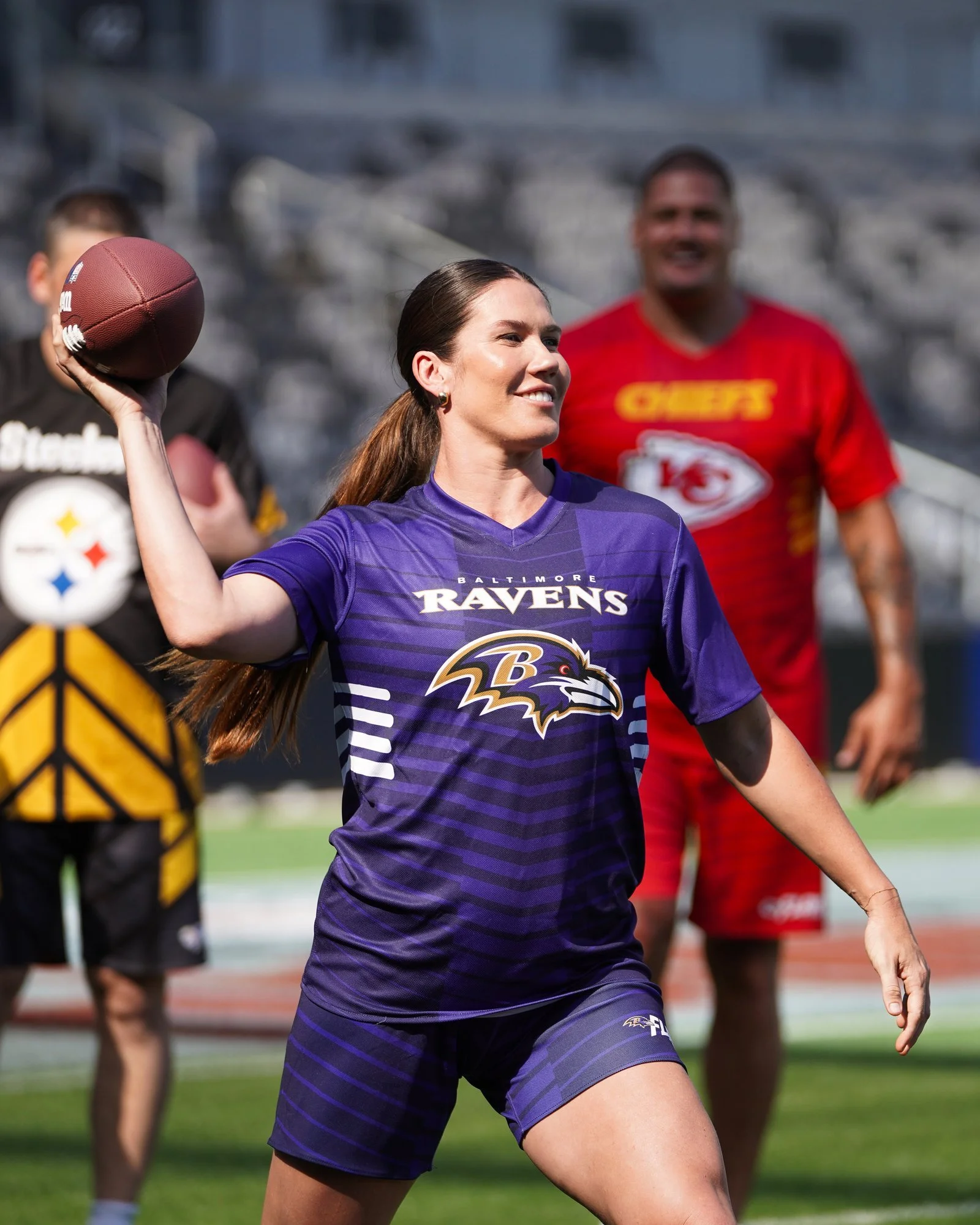
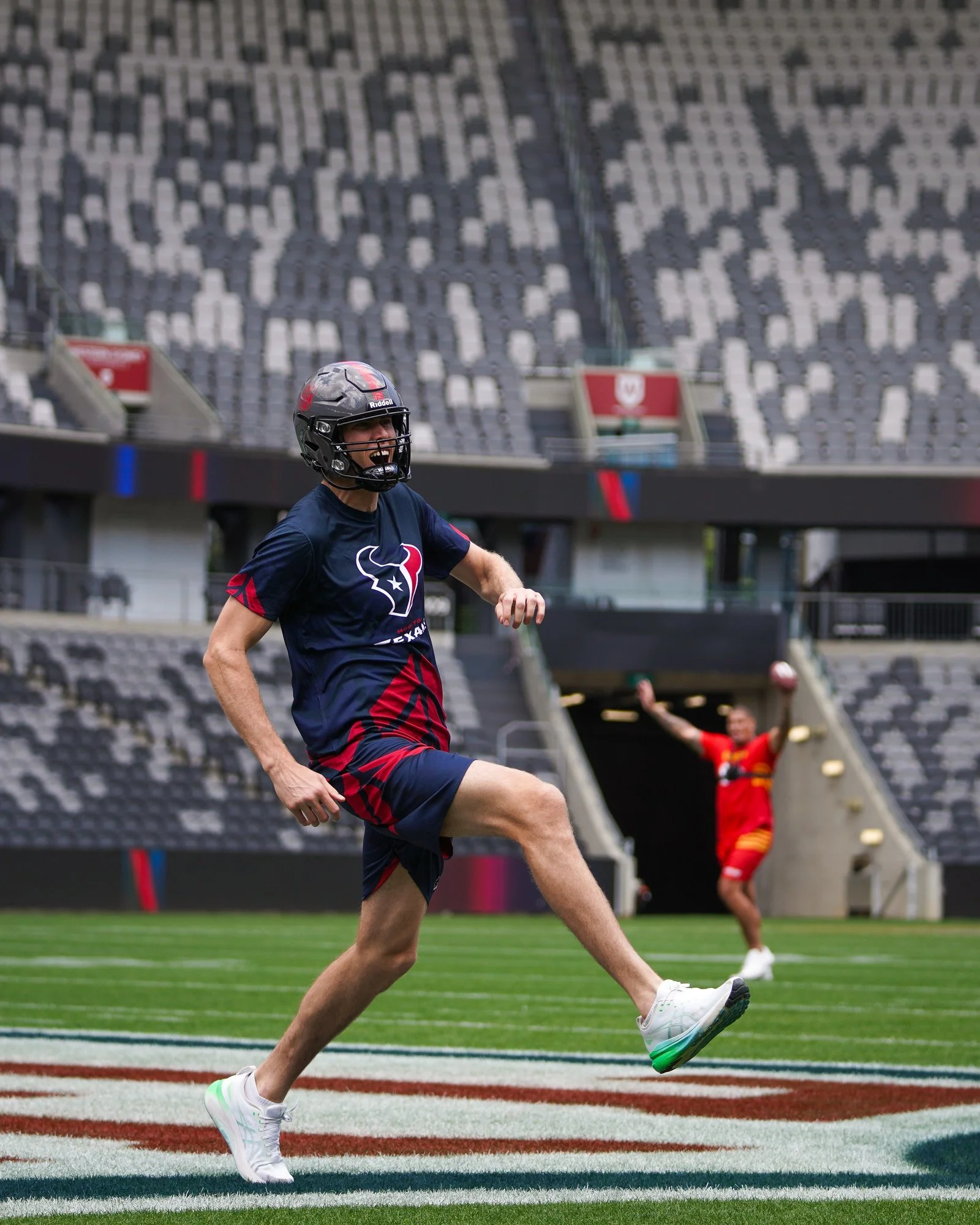
The best athlete-led sponsor content doesn't look like sponsorship content. It looks like genuine access — a camera in the right place at the right time, capturing something real about an athlete's life, preparation, or personality.
This might be a training session feature that captures an athlete's competitive obsession in a way that naturally integrates a performance brand. It might be a day-in-the-life piece that shows an athlete's relationship with a city or community, with a lifestyle brand appearing as a natural part of that story. It might be a post-competition interview that captures unguarded emotion, with a brand present as part of the environment rather than as the subject of the piece.
In each case, the brand serves the story rather than interrupting it. The athlete is engaged and natural, not performing a scripted obligation. And the content is genuinely worth watching — which is the only standard that matters.
PUP Creative has produced athlete-led sponsor content for NBA Australia, Tennis Australia, and ICC, working with some of the most recognised athletes in their sports. The consistent lesson is that the content that performs best is the content where the athlete is genuinely comfortable and the brand presence feels earned, not placed.
The Production Approach That Makes It Work
Producing genuinely authentic athlete-led sponsor content requires a specific production approach that is quite different to standard commercial production.
Small crew. A large crew changes the dynamic of an athlete interaction immediately — it creates a formal, performative environment where natural behaviour becomes difficult. The best athlete content is often captured with a minimal footprint: one experienced operator who can move fluidly, engage naturally, and capture genuine moments without creating a staged environment.
Instinct over script. Scripted athlete content reads as scripted. The most effective approach is to create the conditions for genuine interaction and capture what happens — which requires a production team with the instinct and experience to know what they're looking for before the camera rolls.
Time in the environment. Athletes behave differently in front of cameras at first. The production team that spends time in the environment — on the training ground, at the venue, in the areas where athletes are genuinely at ease — will capture content that the crew that arrives twenty minutes before shoot time never can.
The Distribution Multiplier
One of the clearest commercial signals of successful athlete-led sponsor content is whether the athletes themselves share it.
When an athlete voluntarily distributes content through their own social channels — reaching their own, highly engaged audience — the commercial value of that distribution is significant and essentially free. It's the content marketing equivalent of organic word of mouth, at the scale of a professional athlete's audience.
This doesn't happen when the content feels like an obligation. It happens when the athlete is genuinely proud of how they've been represented — when the content captures something true about them that they're happy to stand behind.
Building this outcome into the production approach — designing content that the athlete will want to share — is one of the most effective levers in sponsor content strategy. It requires thinking about the athlete's perspective from the start of the brief, not as an afterthought.The Problem With Impressions
Impressions — the number of times a piece of content was potentially seen — remain the default currency of sponsorship reporting. They're easy to generate at scale and easy to present in a slide deck.
They're also almost meaningless as a measure of sponsorship value.
An impression counted when a user scrolled past a social post in 0.3 seconds contributes nothing to brand awareness, brand affinity, or purchase intent. Aggregating millions of these non-interactions into a large number and presenting it as evidence of reach tells a story that brands are increasingly calling out.
The shift in sophisticated sponsorship measurement is away from impressions and toward engagement quality — metrics that indicate genuine audience interaction with the content rather than passive exposure to it.
What to Avoid
A few patterns that consistently undermine athlete-led sponsor content:
Over-scripting. If the athlete is reading lines rather than speaking naturally, the audience will know. The content will not be shared, and the brand association will not land.
Ignoring the sport. Content that puts an athlete in a non-sporting context for the sake of brand integration often feels disconnected. Athletes are most compelling in the environments that define them — the training ground, the competition venue, the moments of preparation and reflection that audiences rarely see.
Prioritising brand presence over story. When the brand takes over — when every shot includes the product, every line of dialogue references the partnership — the audience switches off. The brand should be present, not dominant.
If you want to produce athlete-led sponsor content that actually works — content that athletes will share and audiences will watch — get in touch with PUP Creative to talk about how we approach this kind of work.